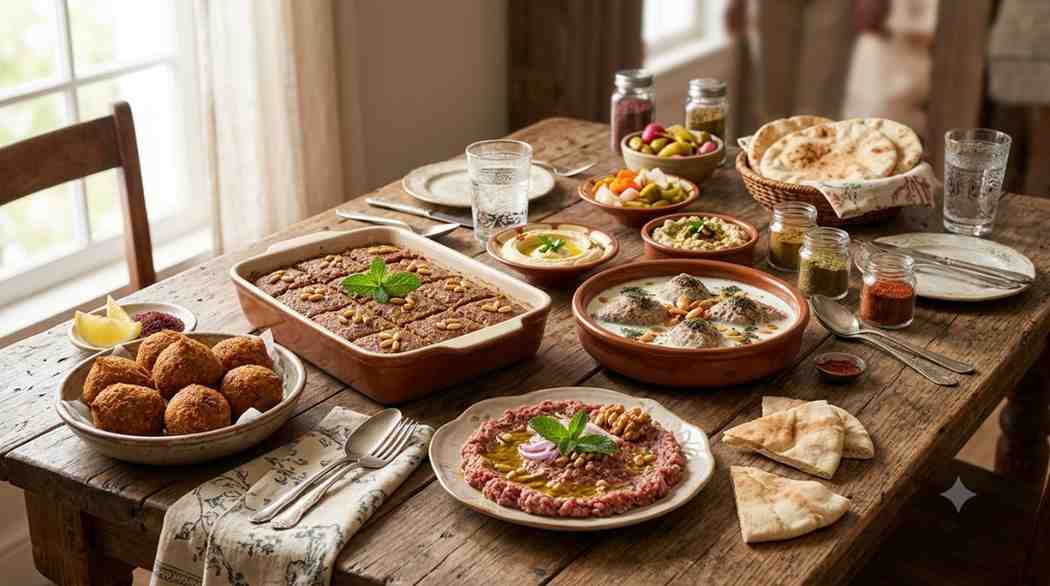
Kibbeh is one of the most beloved dishes in Middle Eastern cuisine, celebrated for its rich flavors, versatility, and cultural significance. Often considered a national dish in several Levantine countries, kibbeh has evolved into numerous regional variations that reflect local traditions and culinary heritage.
From crispy fried croquettes and hearty baked casseroles to raw delicacies and yogurt-based specialties, kibbeh showcases the creativity and diversity of Middle Eastern cooking.
More than a single recipe, kibbeh is a culinary tradition that connects generations through flavor, culture, and history.
What Is Kibbeh?
At its core, kibbeh is made from a mixture of finely ground meat—traditionally lamb or beef—and bulgur wheat. The ingredients are combined with aromatic spices such as cinnamon, allspice, cumin, and black pepper to create a flavorful base.
Depending on the recipe, kibbeh can be fried, baked, grilled, boiled, or even served raw. The dish originated in the Levant region, including modern-day Lebanon, Syria, Jordan, and Palestine, before spreading throughout the world through migration and cultural exchange.
Kibbeh Nayyeh: The Raw Delicacy
Kibbeh Nayyeh is a traditional Lebanese dish made with finely minced raw lamb or beef mixed with bulgur wheat and spices. It is typically served with olive oil, mint leaves, onions, and warm pita bread.
This variation requires exceptionally fresh, high-quality meat and is often enjoyed during family gatherings and special occasions. Its delicate flavor and smooth texture make it a treasured part of Lebanese cuisine.
Kibbeh Maqliyeh: The Classic Fried Kibbeh
One of the most recognizable varieties, Kibbeh Maqliyeh consists of football-shaped croquettes featuring a crispy outer shell made from bulgur and ground meat.
The shell is filled with a savory mixture of minced meat, onions, pine nuts, and spices before being deep-fried until golden brown. It is commonly served as an appetizer, snack, or part of a traditional mezze platter.
Kibbeh bil Sanieh: Baked Kibbeh
Kibbeh bil Sanieh, which translates to "kibbeh in a tray," is a baked variation resembling a casserole. Layers of kibbeh dough are spread into a baking dish with seasoned meat and nut fillings between them.
The top is often decorated with diamond-shaped cuts and garnished with pine nuts before baking, resulting in a hearty and comforting meal enjoyed during family gatherings and celebrations.
Kibbeh Labanieh: Kibbeh in Yogurt Sauce
Popular in Lebanon and Syria, Kibbeh Labanieh features small kibbeh dumplings cooked in a warm yogurt sauce. The tangy yogurt perfectly complements the savory meat filling.
Often flavored with garlic, mint, and coriander, this dish highlights the region's appreciation for combining creamy dairy ingredients with aromatic spices.
Kibbeh Hamda: The Sour Kibbeh
Kibbeh Hamda is a distinctive Syrian variation known for its refreshing tangy flavor. The dumplings are cooked in a broth flavored with lemon juice, tamarind, or pomegranate.
This unique preparation demonstrates how local ingredients and regional tastes can transform traditional recipes into entirely different culinary experiences.
Grilled Kibbeh
In some parts of the Middle East, kibbeh is shaped into patties or molded onto skewers and grilled over charcoal. The grilling process adds a smoky flavor that enhances the seasoned meat and bulgur mixture.
Grilled kibbeh is especially popular at outdoor gatherings and barbecues, often served with fresh salads, dips, and flatbreads.
Brazilian Kibbeh (Quibe)
Middle Eastern immigrants introduced kibbeh to Brazil, where it evolved into a popular dish known as Quibe. While maintaining its traditional roots, Brazilian versions often incorporate local ingredients and flavors.
Quibe can be fried, baked, or stuffed, making it a perfect example of culinary fusion and cultural adaptation.
Iraqi and Regional Variations
Iraq is home to numerous kibbeh styles, including versions cooked in broths, stuffed with vegetables, or shaped into discs and patties. Some regional recipes even use rice instead of bulgur wheat.
Across the Middle East, countless family traditions and local ingredients continue to influence the preparation and presentation of kibbeh.
Why Kibbeh Remains Popular Worldwide
Kibbeh's enduring popularity comes from its versatility and ability to adapt to different cultures and tastes. Whether served as a crispy appetizer, a comforting baked dish, or a sophisticated raw delicacy, it offers a unique combination of flavor, texture, and tradition.
Today, kibbeh can be found not only throughout the Middle East but also in communities across Europe, North America, South America, and beyond.
Final Thoughts
Kibbeh is far more than a single dish—it is a culinary tradition with countless expressions. Each variation tells a story about the people, regions, and cultures that have embraced and adapted it over generations.
From Lebanon's raw Kibbeh Nayyeh and Syria's tangy Kibbeh Hamda to Brazil's beloved Quibe, the many forms of kibbeh highlight the richness and diversity of global food culture. Exploring these different styles offers a delicious journey through history, heritage, and the universal language of food.